


Corrosion resistant materials: Tips for long-term protection and extended service life
You are here:
- Home
- Interessantes
- Corrosion resistance
Long-term corrosion protection: Increase operational reliability
Corrosion is one of the leading causes of damage to industrial equipment and components. In environments exposed to aggressive chemicals, high humidity or salt, corrosion can significantly reduce operational reliability. Choosing corrosion resistant materials is therefore a key factor in achieving reliable, cost-effective and durable process equipment.
Why is corrosion protection so important in industry?
Corrosion causes billions of dollars in damage worldwide every year. It not only compromises the safety and availability of industrial equipment but can also disrupt or even stop entire production processes. Industries such as chemical processing, pharmaceuticals, food production and energy systems rely on durable, corrosion resistant solutions to ensure reliable operation. Effective corrosion protection helps conserve resources, reduce maintenance costs and protect long-term investments.
Corrosion resistance – a simple definition
What does corrosion resistance mean?
Corrosion resistance is the ability of a material to withstand chemical or electrochemical attack over an extended period. These attacks occur through reactions with acids, alkalis, salts, moisture or other aggressive media. Corrosion resistant materials retain their structural integrity, mechanical strength and surface quality even under demanding operating conditions.

Three traditional methods of corrosion protection
Three established methods are widely used to protect metals against corrosion in industrial applications. Each approach works in a different way—electrochemically, physically or by controlling chemical reactions.
Anodic corrosion protection
Anodic protection uses a less noble metal as a sacrificial anode. The sacrificial metal corrodes first, protecting the connected component. Typical applications include underground storage tanks and marine structures.
Cathodic corrosion protection
With cathodic protection, electrical current converts the protected metal into a cathode, preventing oxidation reactions. Although highly effective, this method is technically demanding and requires continuous monitoring. It is commonly used for pipelines and offshore installations.
Coatings and protective layers
Protective coatings such as paints or polymer layers provide a physical barrier against corrosion. However, they only remain effective as long as the coating is intact. In highly abrasive or chemically aggressive environments, their service life is often limited.
Additional corrosion protection methods
Material selection as preventive corrosion protection
Instead of protecting corrosion-prone materials, corrosion can often be avoided entirely by selecting corrosion resistant materials from the outset. Engineering plastics such as PVDF, PE and PFA offer outstanding chemical resistance to a wide range of aggressive media. They do not rust, require no protective coatings and maintain their performance even under changing operating conditions.
In addition to conventional protection methods, preventive material selection has become increasingly important wherever maintenance-free operation, media purity and long-term process reliability are essential.
Corrosion protection by design
Well-designed components reduce corrosion risks by eliminating crevices, ensuring proper drainage, creating smooth surfaces and avoiding mechanical stress concentrations. These measures significantly increase service life.
Corrosion inhibitors
Corrosion inhibitors are chemical additives introduced into the process medium to reduce reactions at the metal surface. They are particularly suitable for closed-loop systems and cooling water circuits but require continuous monitoring and dosing.
Temperature and humidity control
Since moisture and elevated temperatures accelerate many corrosion processes, controlled environmental conditions can provide effective protection. Dry storage, nitrogen atmospheres and stable process temperatures are proven solutions, particularly for sensitive electronics and production equipment.
In this context, plastic heat exchangers provide dual protection. They are inherently corrosion resistant while enabling precise temperature control of aggressive media, protecting both the process fluid and the surrounding equipment over the long term.
Corrosion resistant materials compared with conventional corrosion protection
Traditional corrosion protection methods—such as anodic protection, cathodic protection and coatings—are designed to protect inherently corrosion-prone materials, typically metals.
Corrosion resistant materials, on the other hand, require no additional protection because their chemical structure makes them naturally resistant to corrosion. High-performance plastics such as PVDF and PFA are excellent examples.
They provide a preventive and long-lasting solution, especially in demanding industrial processes where conventional protection systems would be technically complex, maintenance-intensive or less reliable.
Selection criteria for corrosion resistant materials
Operating conditions
Temperature, pressure, pH value, chemical composition and mechanical loads all influence material selection. Chemical processing, wastewater treatment and electroplating often require materials with exceptionally high chemical resistance.
Desired service life
Corrosion resistant materials extend equipment lifetime while reducing maintenance and replacement intervals, helping to minimise downtime and lower total operating costs.
Material properties
In addition to chemical resistance, materials must provide sufficient mechanical strength, temperature resistance and, where required, electrical properties. PVDF resists many concentrated acids even at elevated temperatures, while PE performs exceptionally well in biogas applications because of its resistance to hydrogen sulphide.
Cost efficiency
Although engineering plastics often involve higher initial material costs, they frequently offer lower total lifecycle costs than metallic alternatives. Their long service life, low maintenance requirements and elimination of protective coatings make them an economically attractive choice.
Advantages of corrosion resistant materials
Extended equipment service life:
Corrosion resistant materials maintain their structural integrity under continuous chemical and thermal stress, significantly extending equipment lifetime.
Improved operational reliability:
Components are less susceptible to failures caused by pitting corrosion or stress corrosion cracking, resulting in higher process reliability and equipment availability.
Reduced maintenance and cleaning:
Protective coatings are unnecessary, and many plastic systems can easily be cleaned using water, chemicals or steam.
Excellent resistance to aggressive chemicals
Acids, alkalis, salt solutions and hydrogen sulphide do not cause corrosion, swelling or embrittlement of these plastics—even during long-term exposure at elevated temperatures.
Maximum product purity:
In semiconductor, pharmaceutical and food processing industries, metal-free components prevent contamination from metal ions and rust particles.
Improved sustainability:
Long service life, reduced maintenance and lower material consumption help minimise resource use and reduce the overall carbon footprint.
Industrial applications of corrosion resistant materials
Semiconductor industry
Semiconductor industry
PVDF and PFA heat exchangers are ideal for the semiconductor industry, where media purity and corrosion resistance are essential. Their metal-free construction prevents particle contamination and provides reliable temperature control, even when handling highly aggressive chemicals.
Food and beverage industry
Food and beverage industry
Plastic heat exchangers ensure hygienic, corrosion-free heating and cooling for applications such as CIP cleaning systems and milk processing, eliminating reactions between cleaning chemicals and metallic surfaces.
Chemical industry
Chemical industry
When handling concentrated acids, alkalis and solvents, conventional metallic heat exchangers often reach their limits. Plastic heat exchangers made from PVDF or PFA provide a reliable solution for heating and cooling aggressive process media.
Electroplating and surface finishing
Electroplating and surface finishing
Temperature control is essential in pickling and electroplating tanks. Immersion heat exchangers made from PE-RT or PP withstand highly concentrated electrolytes without containing any metallic components.
Biogas and wastewater treatment
Biogas and wastewater treatment
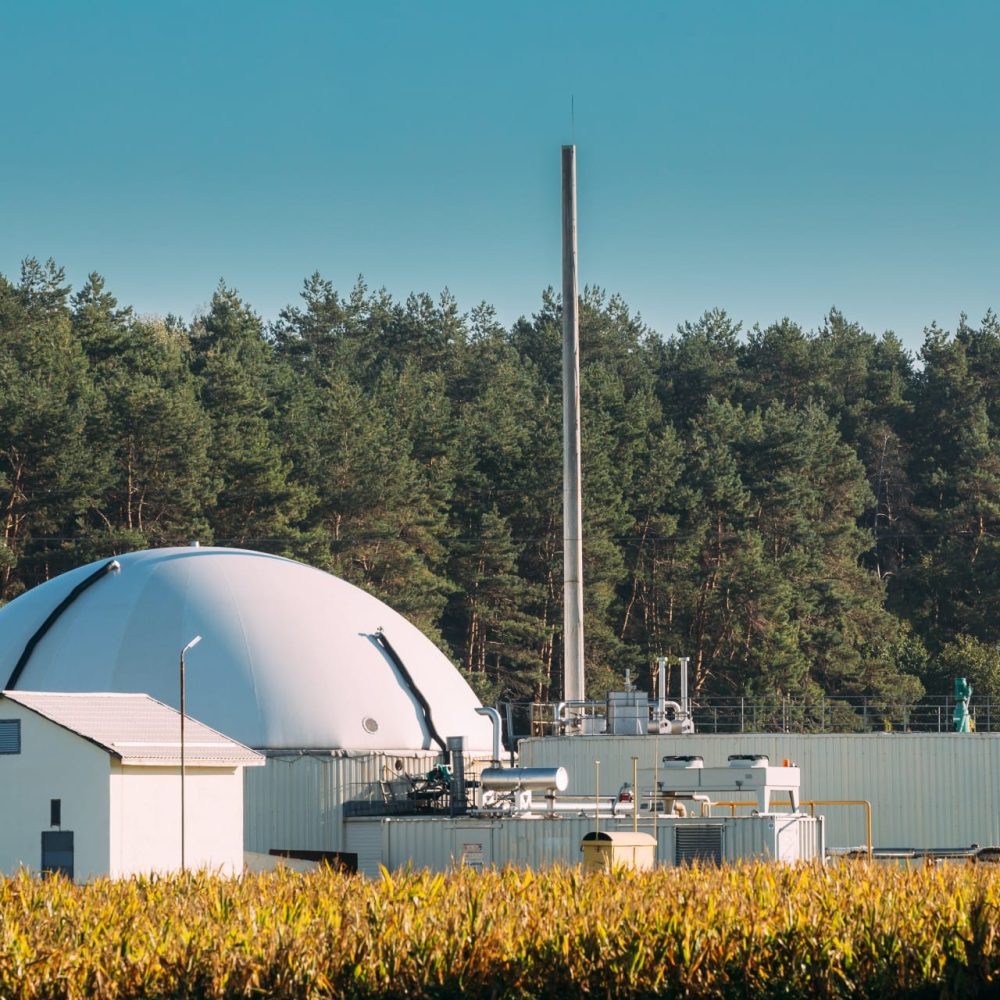
Corrosion resistant gas coolers manufactured from PE-RT are ideal for biogas plants. Their resistance to hydrogen sulphide and efficient condensate removal help prevent costly damage to CHP units.
Heat recovery
Heat recovery
Corrosion resistant PE-HD heat exchangers are widely used in industrial heat recovery systems, exhaust air treatment and energy-efficient ventilation. Their resistance to moisture and aggressive media makes them a durable and economical alternative to metal heat exchangers.
Wastewater treatment and recycling
Wastewater treatment and recycling
Wastewater treatment plants and urban mining processes often involve highly aggressive media. Plastic heat exchangers provide reliable solutions for temperature control and energy recovery.
Aquaculture and seawater applications
Aquaculture and seawater applications
In saline environments, metal-free equipment prevents corrosion and contamination. Plastic heat exchangers ensure stable temperatures while maintaining hygienic operating conditions.
Checklist: How to select corrosion resistant materials
A structured assessment of these factors helps identify the most suitable material and significantly improves long-term equipment reliability.
Conclusion: Corrosion resistance is essential for long-term equipment reliability
Corrosion causes material failure, process interruptions and high maintenance costs. It reduces equipment lifetime and compromises operational safety. Selecting corrosion resistant materials is therefore one of the most effective ways to ensure reliable industrial processes and maximise plant availability.
High-performance plastics such as PVDF, PE and PFA provide outstanding chemical and thermal resistance. They withstand aggressive media, elevated temperatures and changing operating conditions in industries including chemical processing, exhaust air treatment and food manufacturing.
Combined with proper equipment design, these materials enable safe, low-maintenance and highly efficient operation. The result is longer equipment life, lower lifecycle costs and improved process reliability.
Effective corrosion resistance is therefore a key contributor to sustainability, resource conservation and the long-term performance of modern industrial plants.
Rethinking corrosion protection with plastic heat exchangers.
Let´s get in touch today!
Our plastic heat exchanger solutions combine engineering expertise with outstanding quality. We will be happy to advise you on the ideal solution for your application.
Interesting facts and information from the world of CALORPLAST


